Services - Construction Loans
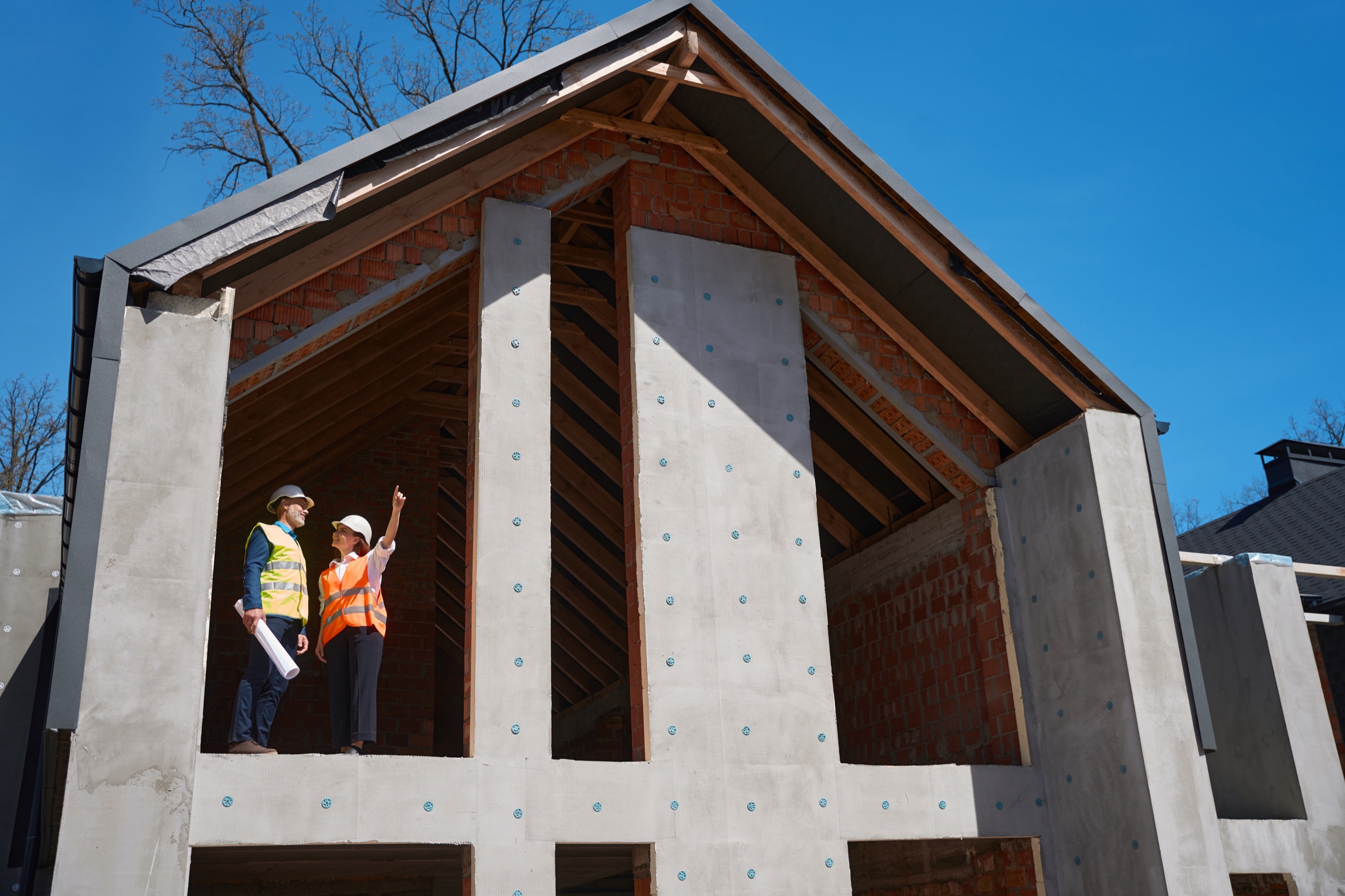
Construction loans for building or renovations.
A construction loan does not land in your account in one go. The lender releases it in stages as the build progresses, and you pay interest only on what has actually been drawn. We handle the contract, the valuations and the drawdowns.
We work with over 40 lenders


















Expert constructon loan lenders
How a construction loan actually works.
• Pay interest only when building
• You can make additional repayments
• Save on interest with an offset account
• Draw down the loan throughout the build
• You can make additional repayments
• Save on interest with an offset account
• Draw down the loan throughout the build
• Knock-down rebuilds
• New builds and house-and-land packages
• Major structural renovations
• Dual occupancy and duplex builds
• New builds and house-and-land packages
• Major structural renovations
• Dual occupancy and duplex builds
• Conditional approval before you sign a contract
• Manage progress payments from the lender
• Interest only on what has been drawn
• Converts to normal repayments at completion
• Manage progress payments from the lender
• Interest only on what has been drawn
• Converts to normal repayments at completion

Fast funds
Conditional approval in hours

Lower repayments
Interest only during the build

Easy settlement
Move within days

Expert guidance
20+ years of lending experience
How we help
We are here to help you build your project, your vision.





Your build should not stall waiting on a bank.

Approval first
Conditional approval first means you sign a building contract knowing the number is real, rather than hoping the valuation lands where you need it to.

Chasing the drawdown
Each stage release needs a valuation booked, completed and processed. We chase all three, so your builder is paid on time and the crew stays on site.

The tax side
Investment build, owner-occupied, or a subdivision. Whose name it sits in and how interest is treated during construction have consequences, so they get modelled first.
Can I get pre-approved for a construction loan?
Yes, and you should. Conditional approval before you sign a building contract tells you your real budget, and means you are not relying on a valuation landing where you hope it will.
How does a lender value a property that does not exist yet?
On completion, based on your building contract and the inclusions listed in it. That is why the contract and the specifications matter as much as the plans do, and why we will tell you before you sign if what you are proposing is unlikely to value up.
What do I actually repay during the build?
Interest only, on the funds drawn so far. Repayments rise in steps as each stage is released, then convert to normal principal and interest repayments at completion.
Can I use equity in my current home to build?
Often yes. Equity can fund the land, the construction, or the finishing costs like driveways and landscaping that get left out of most budgets.
Do I need a construction loan to renovate?
Only if the work is structural. If you are not moving walls, an equity release against your existing home is usually simpler and cheaper, and we will say so rather than sell you the bigger product.
What happens if the build runs over?
Delays and variations are normal and lenders expect them, within limits. The time to plan for them is at approval, by building a contingency into the numbers rather than discovering the gap halfway through.
Who gets paid, me or the builder?
Progress payments go directly to your builder against each completed stage, once a valuation confirms the work is done.
Case Studies
Client success and real results.